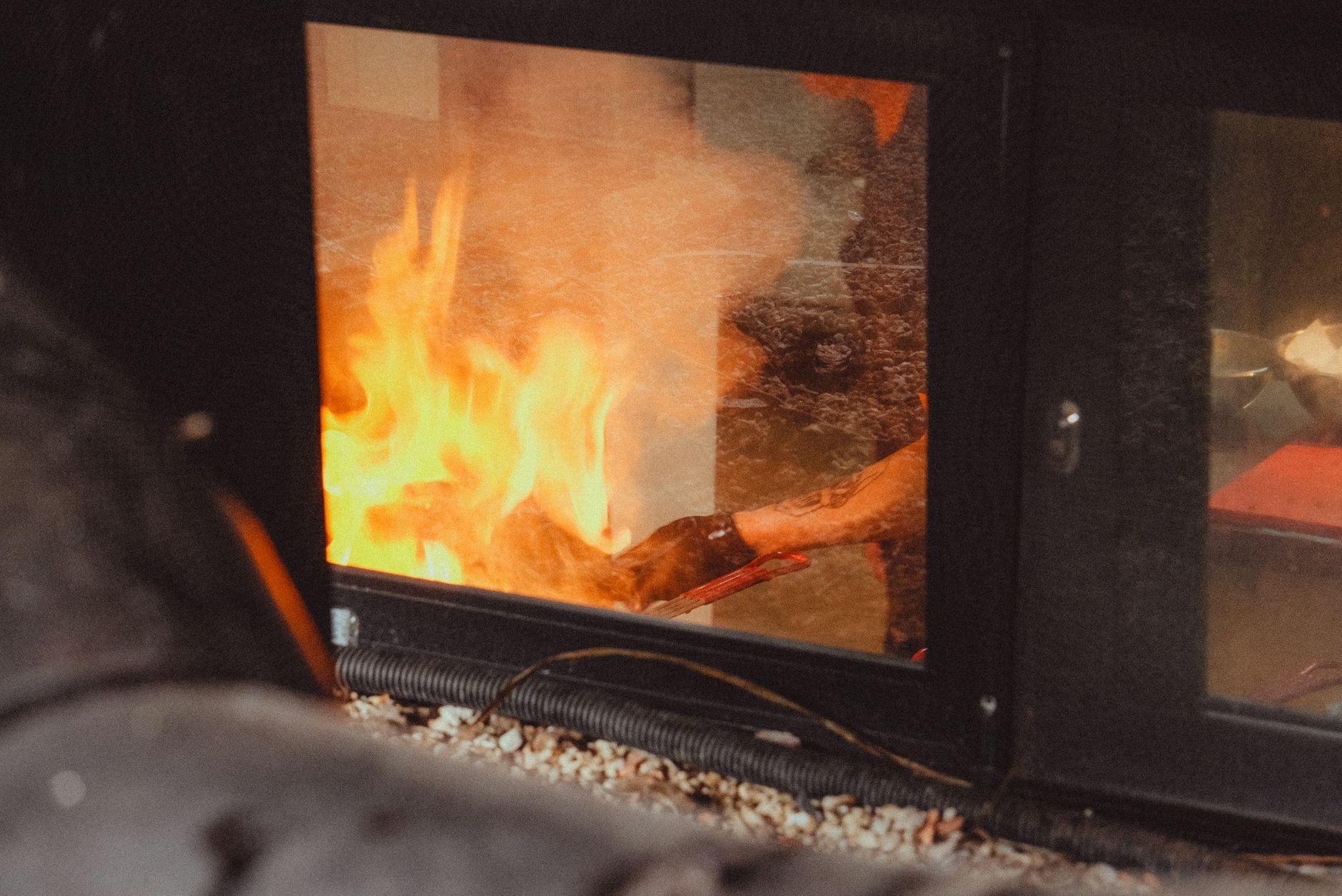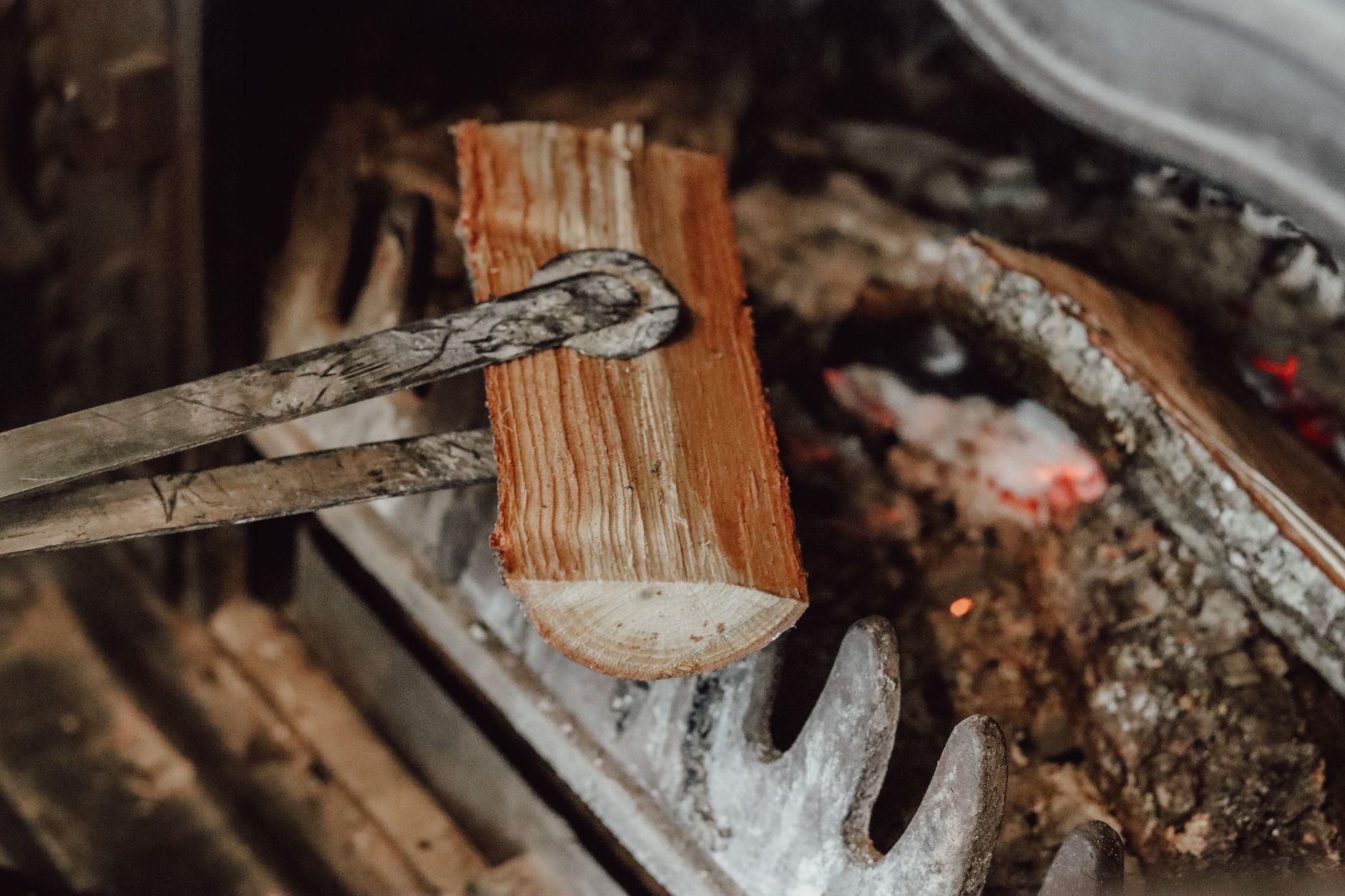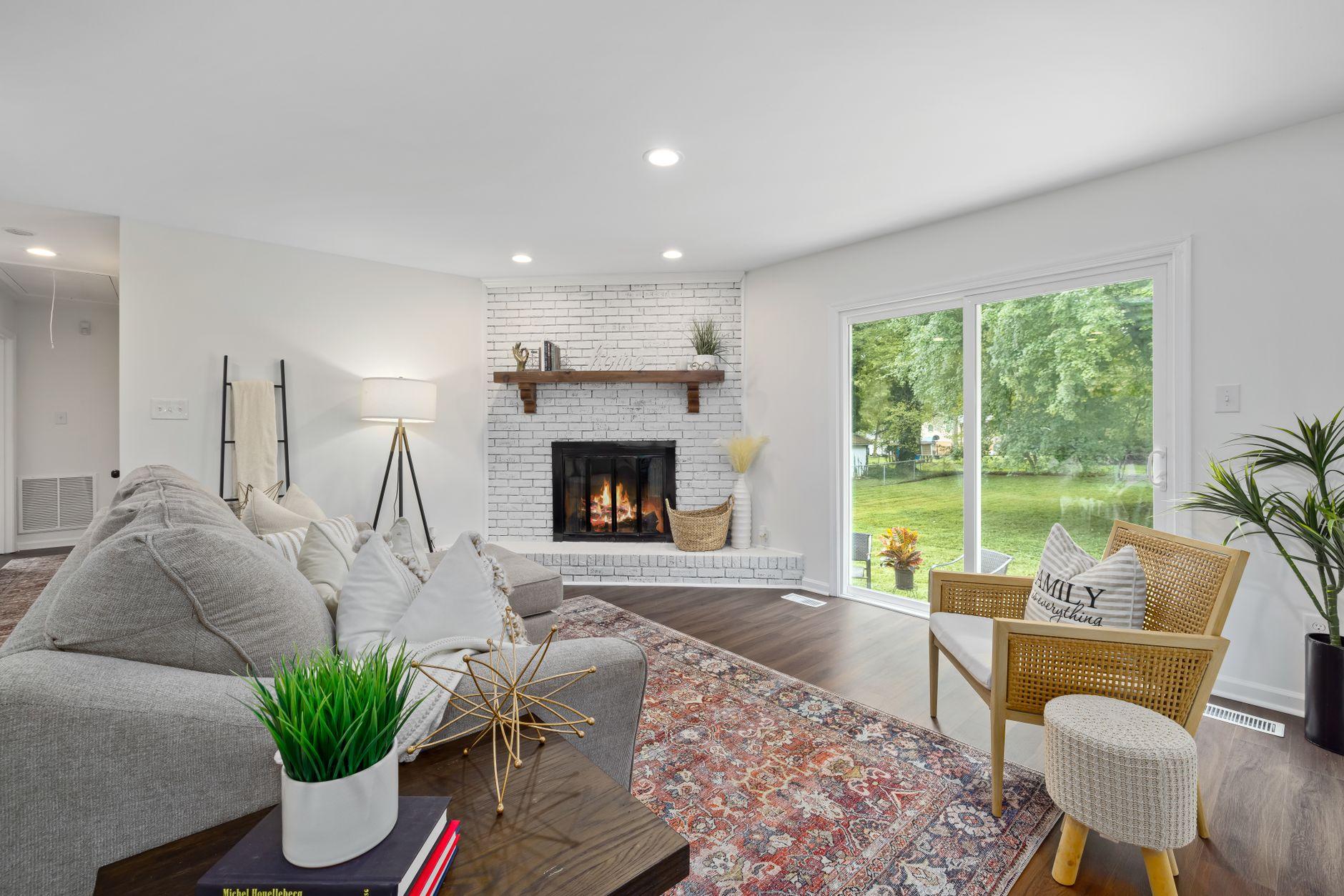

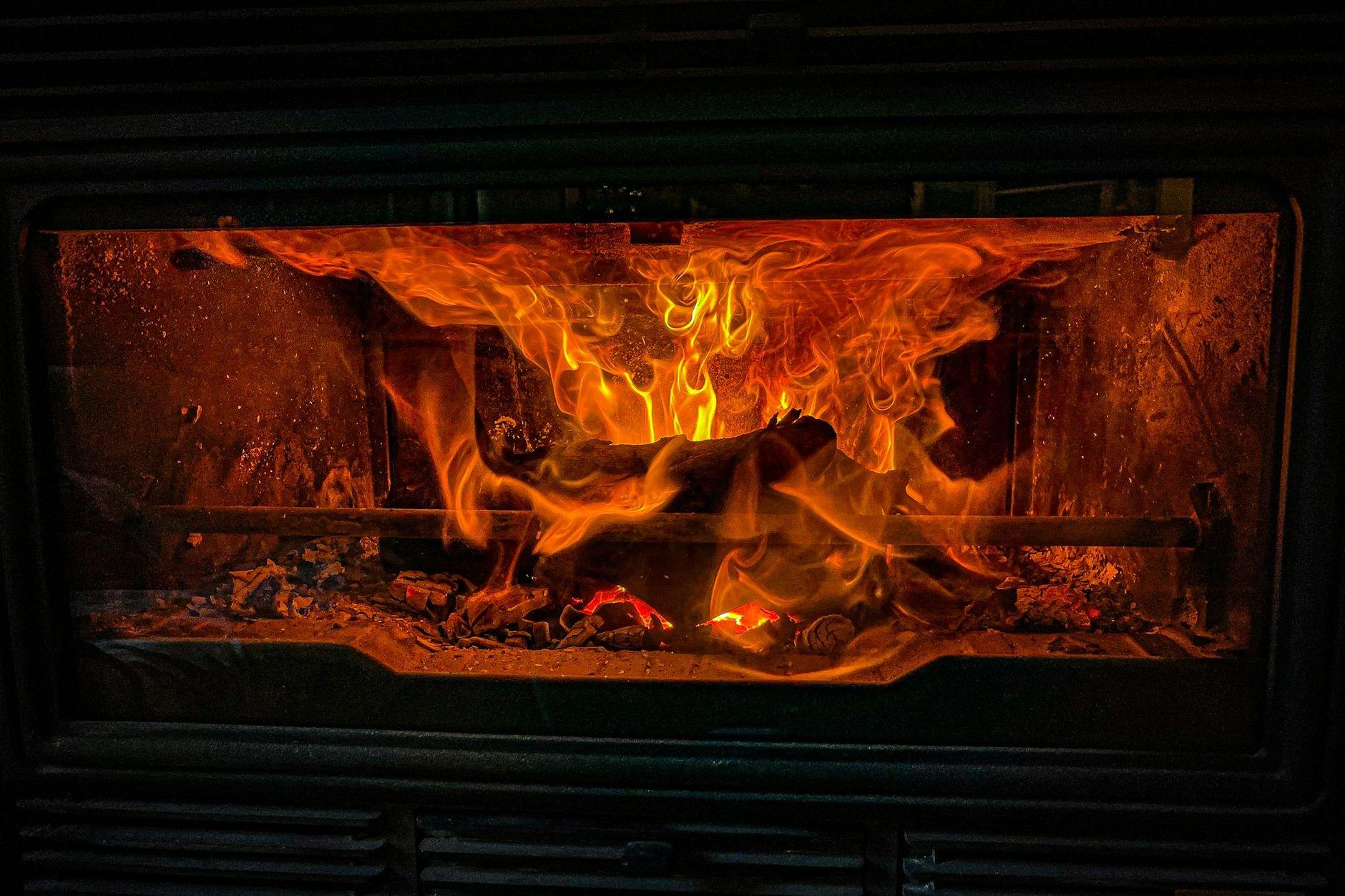
Homeowners in Seal Beach who want real heat from gas, not just a pretty flame, end up choosing between two projects. One reuses the brick fireplace already in the living room. The other leaves it alone, or there was never one, and frames a new sealed unit somewhere else. With the glass on, the two look alike. Underneath they are built differently, priced differently and serviced a little differently, and the better one depends on what your house has today.
Our published prices for each
- Sealed gas box slid into your current masonry fireplace: $2,850 to $5,750 installed
- Direct-vent unit framed into a new spot: $4,600 to $9,200 installed
A log set costs less than either and is a separate decision. Our log set guide covers that route.
How an insert goes together
An insert is a steel firebox with a glass face that slides into the opening of a brick fireplace. Two flexible pipes run from its top up the old flue to a fitting at the chimney top. One pulls outside air down to the burner; the other carries exhaust up and away. Because the burner breathes through its own sealed path, the house is no longer feeding warm room air up the chimney the way an open fire does, and the heat comes out through the glass and a blower.
What it asks of the house:
- an opening wide and deep enough for the model you like
- a chimney sound enough to carry the pipes; old cracked tile matters less once exhaust has its own pipe, but loose brick at the top or a failed crown still has to be put right
- a gas line at the hearth, which many older fireplaces already have from a log lighter
- an outlet nearby if the model has a blower or electronic ignition
How a direct-vent unit goes together
A direct-vent fireplace is a factory-built box framed into a wall, a corner or a bump-out. Its vent is a pipe inside a pipe: exhaust leaves through the inner one, fresh air comes back through the space around it. The vent can go straight out the wall behind the unit or up through the roof. No chimney is involved, which is why it works in a room that never had a fireplace.
What it asks of the house: an outside wall where the vent can exit with the required distances from windows, doors and the lot line; framing and finish around the box; a gas line run to the new spot; and power. In Seal Beach condos and townhomes, the association often wants to approve anything that goes through an outside wall, so that letter is part of the plan.
Where the money goes in each range
For an insert, the price climbs with:
- the model, from a plain box to one with a wide view and a valve that turns the flame up and down
- the length of the liner pipes, which follows the height of the chimney
- any chimney work needed first, such as a crown, a cap or loose brick at the top
- whether gas and power are already at the hearth
For a direct-vent unit, it climbs with:
- the size and model of the unit
- how far the vent travels, and whether it exits the wall or the roof
- framing, drywall, tile or stone around the new box
- the length of the new gas line from the meter or the nearest branch
Either project begins with one measuring visit. Tell us which room, whether a fireplace is there now and roughly how old the house is, and we plan that visit so the chimney or the wall gets checked in the same trip.
Which suits which house
Pick the insert when the living room already has a brick fireplace you hardly light because it chills the room, the chimney is in fair shape, and you want the heat where everyone already sits.
Pick direct vent when there is no fireplace, the existing one is a worn factory-built box whose maker is gone, the chimney needs more money than you want to put into it, or you want the fire in another room.
Look at log sets when you want flame to watch a few evenings a year and heat is not the point. Logs in an open firebox send most of their warmth up the flue.
Living with either one near the beach
Both types end in a metal fitting outdoors. Within a mile or two of the sand, salt air works on those fittings, their screws and the screens that keep birds out. We choose stainless terminations wherever the maker offers them and check them at every service. A corroded fitting that partly chokes the exhaust is one of the more common reasons a sealed unit starts shutting itself off.
Both share the same yearly needs too: a look at the burner, pilot, glass seal and vent. That is what our gas fireplace cleaning visit covers, and our fireplace inserts page has more on the insert side.
The burn-day rules skip gas
Seal Beach falls within the South Coast AQMD, whose Rule 445 restricts wood fires on winter no-burn days. Gas appliances are exempt. The coldest nights are often the restricted ones, which is one more reason families here move from logs to gas.
What you get after the visit
After measuring, you receive a written scope: the models that fit, where the vent or liner runs, what the chimney or wall needs first, and the figure. Nothing is ordered until you sign it.
Weighing the two in your own living room? Start on the contact page, say which project you lean toward, and we bring the tape measure and the spec sheets.
Prefer a Technician Look at It?
Mathis Chimney Sweep tests the pilot, valve, igniter and vent on your unit, names the part at fault and prices the fix on paper first. Book from Seal Beach, Cypress, Garden Grove, Huntington Beach or a town nearby.