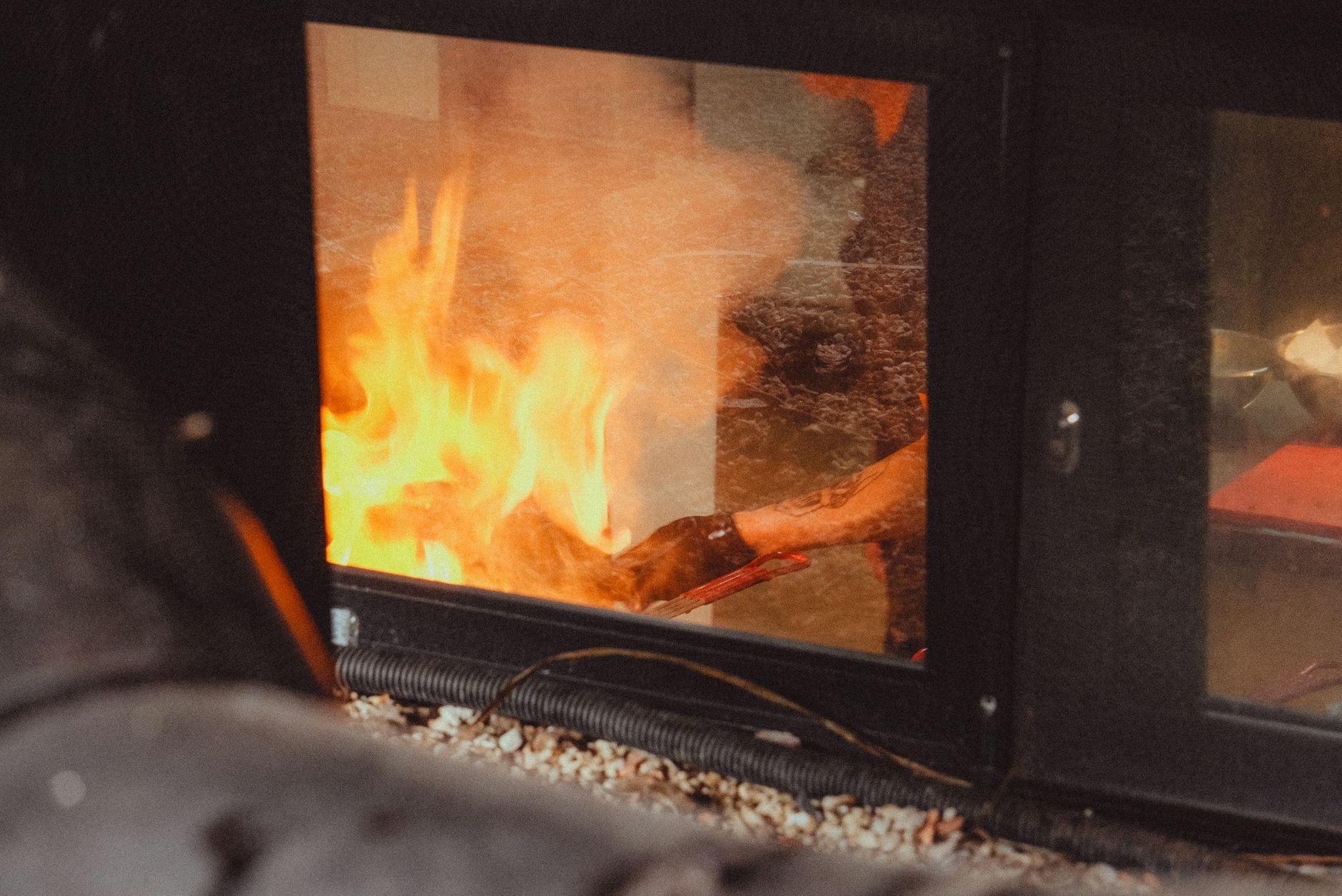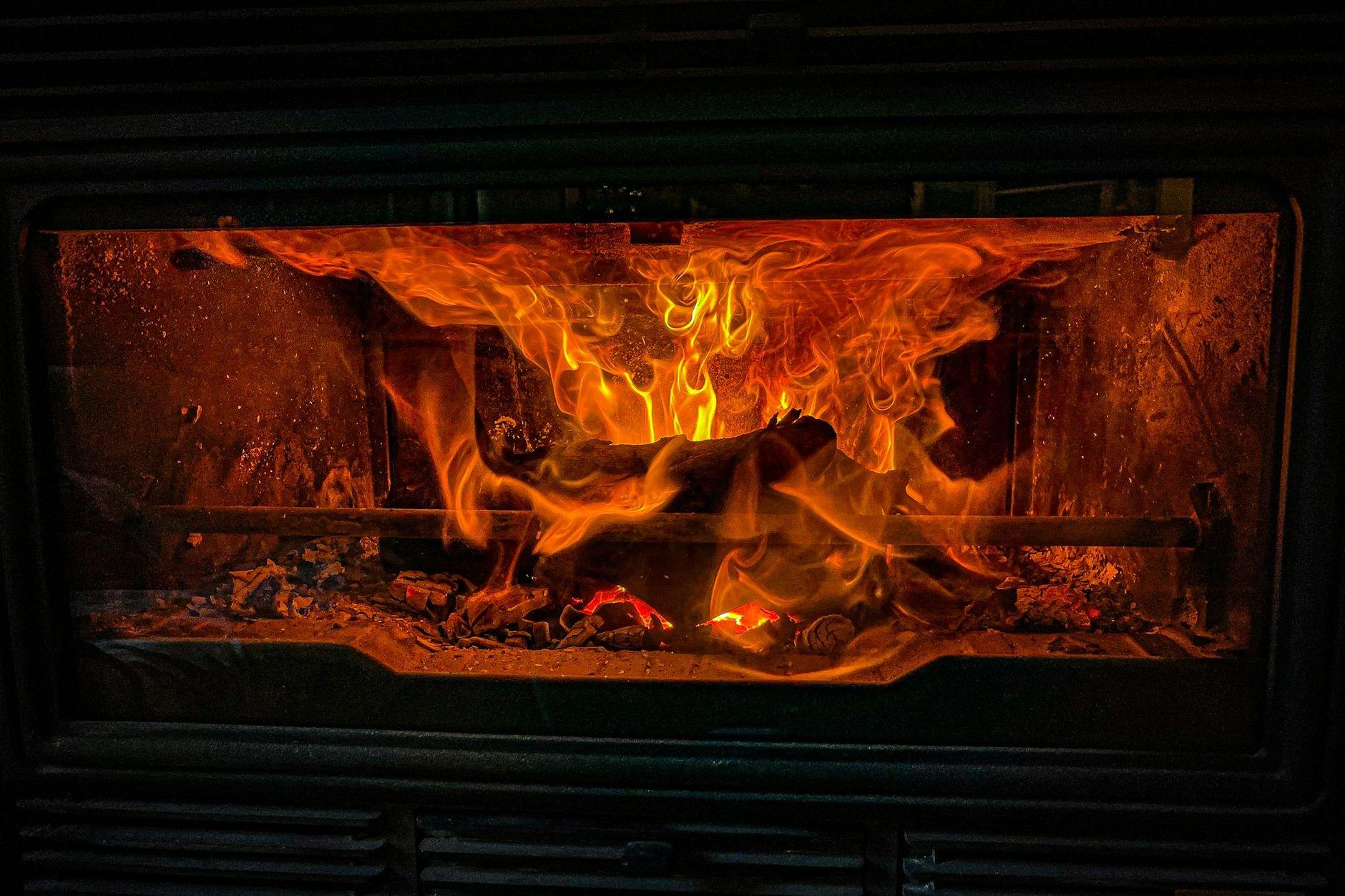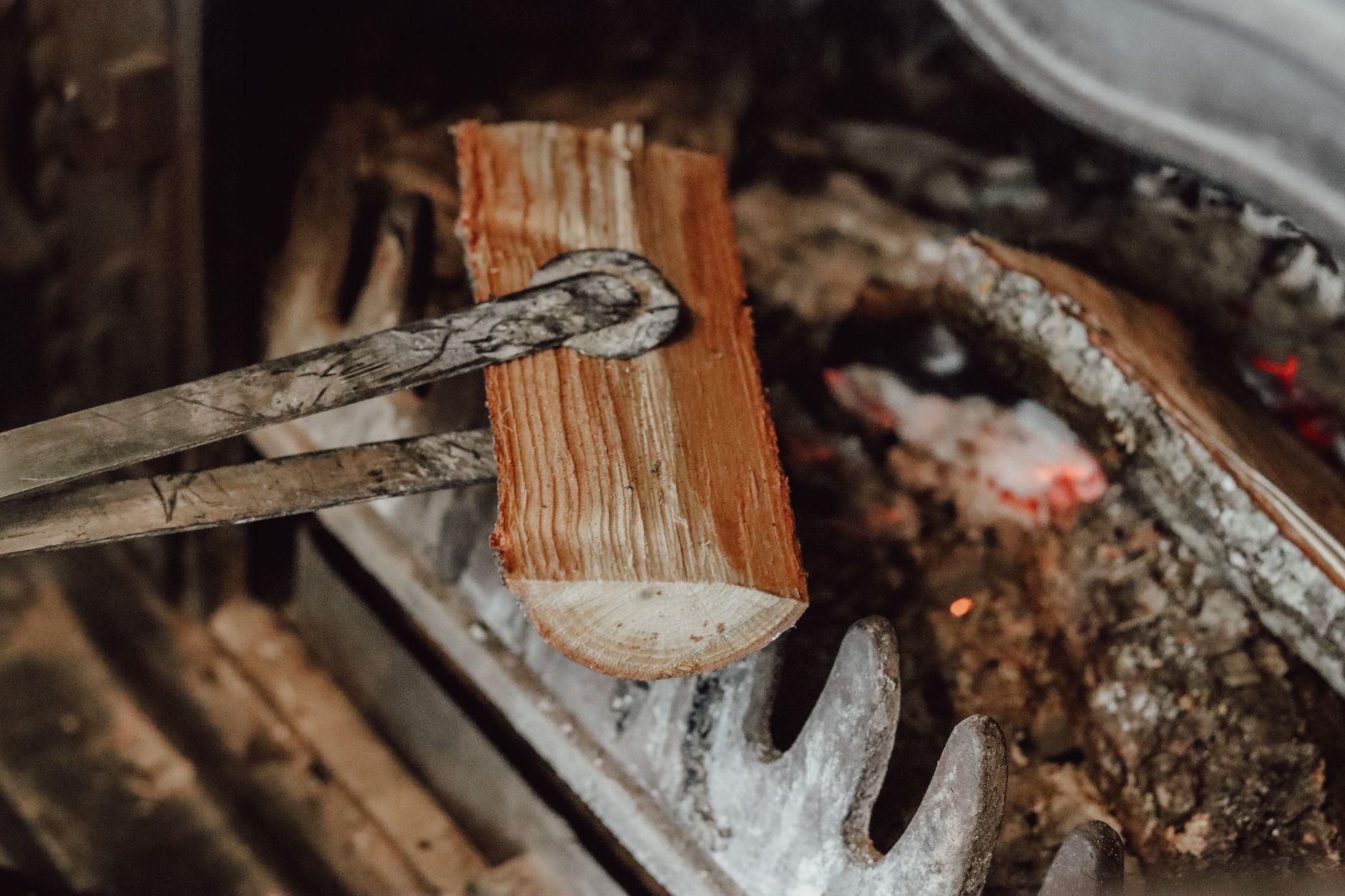

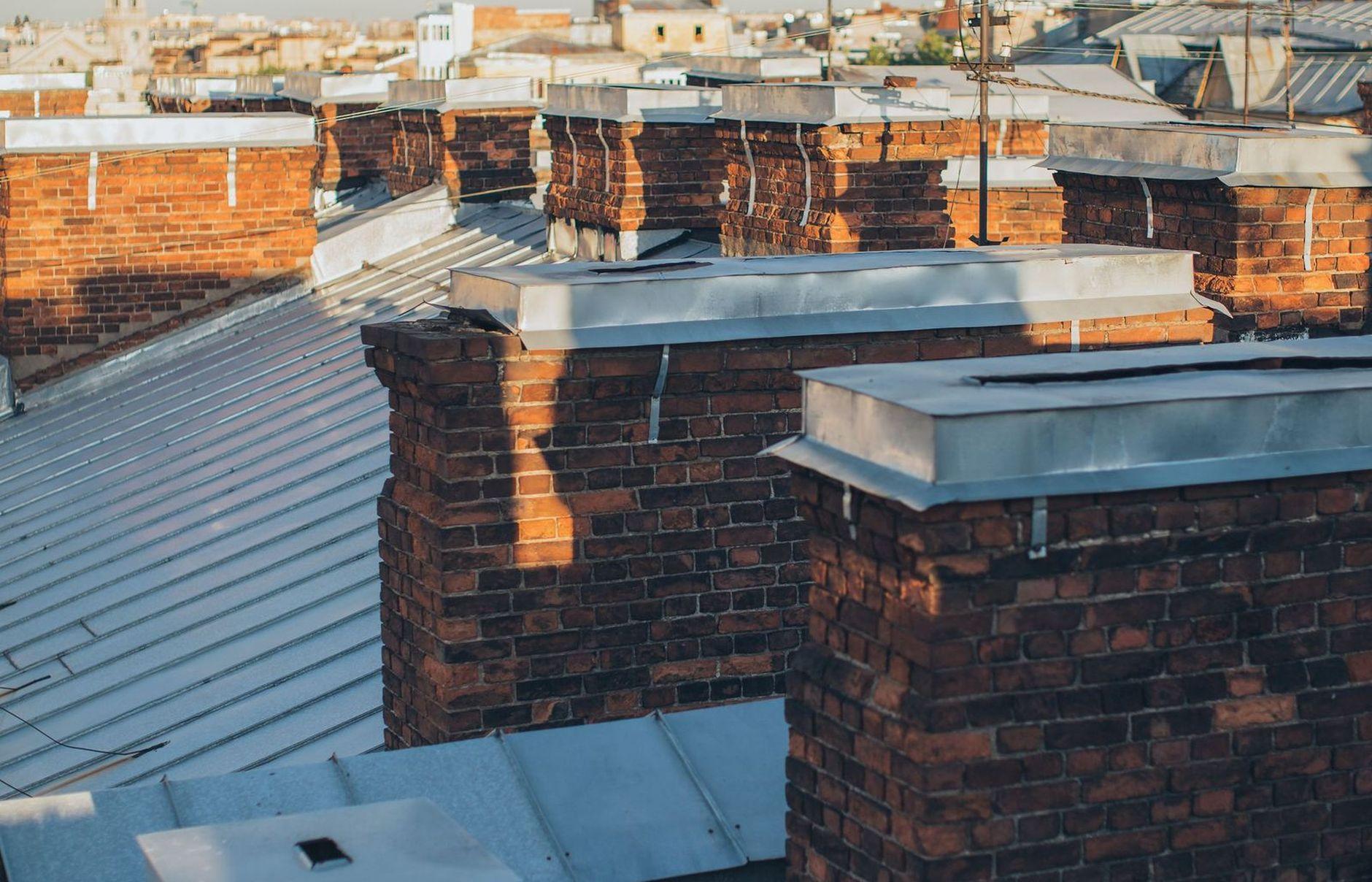
Gas fireplaces look harmless on a showing. Flip the switch, flames appear, the agent smiles. That is about as far as most house tours get, and for a buyer in Seal Beach it leaves a fair amount unknown: whether the valve is original, whether the vent was ever disturbed by a remodel, whether the glass still seals, whether a wood fireplace was turned into a gas one with a log set and no damper clamp. Those questions have answers, and the time to get them is while you can still ask the seller to act.
What the general report usually says
Your home inspector covers the roof, the wiring, the plumbing and much more in one visit. On a fireplace, that tends to mean lighting it if the pilot is on, noting its type and recommending a specialist. That last line is not a brush-off. It is the inspector telling you the fireplace has parts they are not set up to judge.
What a chimney and hearth visit adds
On a gas unit, we look at:
- The rating plate. Make, model, and whether the unit is still supported with parts. It also tells us what the maker allowed around it.
- The valve and pilot. Lit, watched, and checked for a flame that holds the sensor.
- The glass and gasket. A cracked panel or a gasket gone flat lets exhaust into the room.
- The vent path. Connections inside the box, the run to the outside and the fitting at the end, which near the coast is often rusted.
- Clearances. How close the mantel, shelves and trim sit to the opening, compared with what the maker lists.
- Log sets in brick fireplaces. Whether the damper is clamped open, the flue is clear and the old masonry is sound enough to carry exhaust.
- Carbon monoxide alarms. Whether there is one near the room and on each sleeping floor.
Level 1 or Level 2
NFPA 211, the standard most chimney inspections follow, describes three levels. The first stays with what an eye and a flashlight can reach. The second puts video inside the flue and follows the chimney through the attic and onto the roof. The third means cutting into finished surfaces, and we rarely need it.
When a property is about to change hands, the standard steers toward the second level, because nobody new to the house knows its history. Our prices:
- Visual check of the reachable parts: $170
- Camera inspection suited to a sale: $400
On a direct-vent unit with a short pipe out a wall, a visual check covers much of what matters. On a log set in a brick chimney, or an insert with liner pipes running up an old flue, the camera is the only way to see inside. That choice is the one decision you need to make, and the home sale inspection page explains it in more depth. Tell us whether the fireplace is a sealed box, an insert or logs in brick, and the address, and we recommend a level when we call back.
Turning findings into a request
Every finding in our report comes with a plain sentence about what it means and, where we publish one, a price. Some examples of how they read:
- Damp framing where the chimney meets the attic: finding the water's path and sealing it runs $575 to $3,450.
- A worn-out factory unit with no parts support: a new sealed gas box in the existing opening runs $2,850 to $5,750.
- No cap on a brick chimney with a log set: a cap is quoted after we measure.
Repairs without a published price, such as a valve, a gasket or a chase lid, are listed with a note that we price them once the work is scoped. Your agent can use the list to ask the seller to repair, to credit, or to adjust. Our page for real estate agents shows how the report is laid out for them.
Who receives the report
The person who books and pays decides who gets copies. Most buyers name their agent; some add a lender or a contractor. Everyone gets the same file.
Gas findings sellers rarely know about
Sellers are usually honest about a fireplace; they simply have not looked inside it. The items that surprise them most on our reports are quiet ones:
- a vent fitting outside that has rusted half shut, so the unit runs but trips off on long evenings
- a glass gasket gone hard and gapped at one corner
- a log set in a brick fireplace with no clamp on the damper, so the flue can be closed while gas burns
- a remodel mantel hung lower than the unit's manual permits above the firebox opening
None of these show on a showing. All of them are cheaper to settle in a negotiation than after the keys change hands.
Townhomes and shared chimneys
Many Seal Beach buyers are looking at condos and townhomes, where the fireplace is inside the unit but the chase and the roof belong to the association. We report on both and say which side each finding sits on, so you know whether to ask the seller or the HOA. Our property manager and HOA page covers the association side.
Buying further inland
The same visit applies in Garden Grove, Cypress and Huntington Beach. Inland houses show less salt damage at the vent; older ones more often carry log sets in brick fireplaces that were once wood-burning.
Under contract on a place with a gas fireplace? Open the contact page, tell us the address and whether you are buying or selling, and we take it from there.
Prefer a Technician Look at It?
Mathis Chimney Sweep tests the pilot, valve, igniter and vent on your unit, names the part at fault and prices the fix on paper first. Book from Seal Beach, Cypress, Garden Grove, Huntington Beach or a town nearby.